DIN
CE
ISO
FEM
EAC

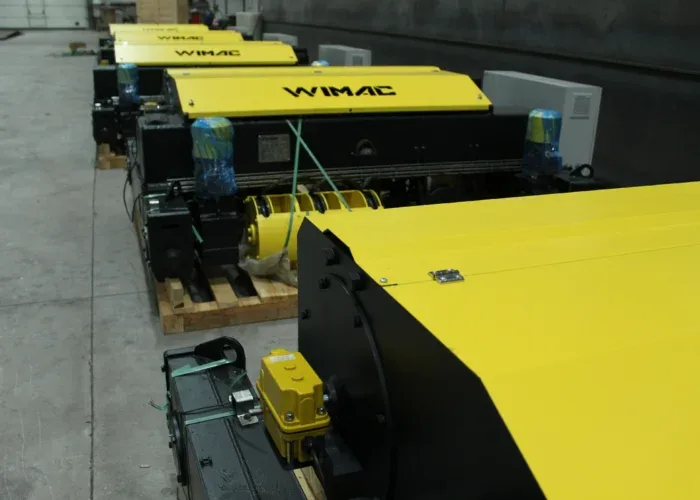
Self-contained hoist units that move loads from point to point along monorail beams, straight trolley tracks or rotating carriages.
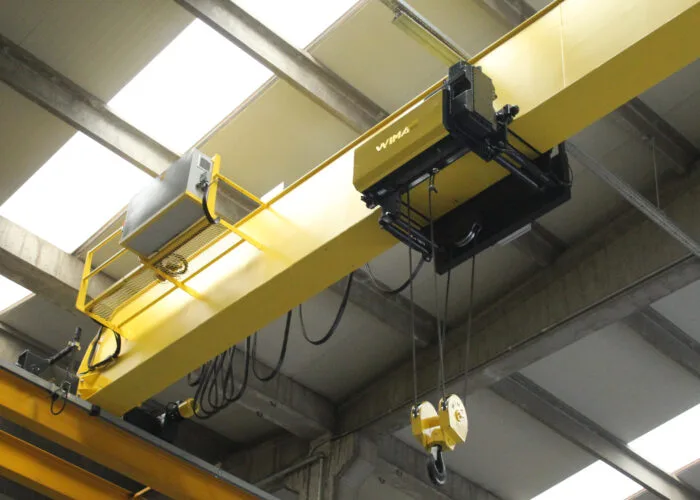
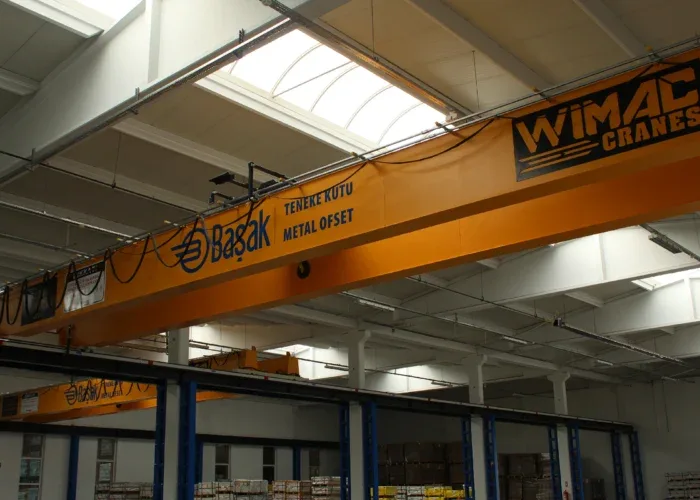
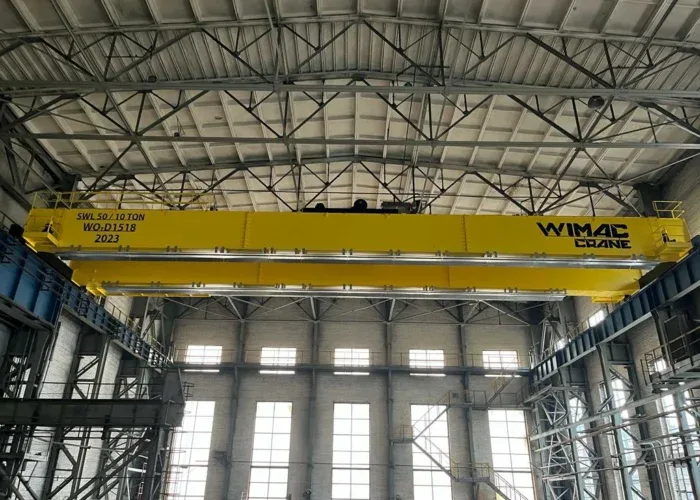
Bridge cranes for lifting inside buildings — single girder, double girder and suspended (underslung) designs for factories and warehouses.
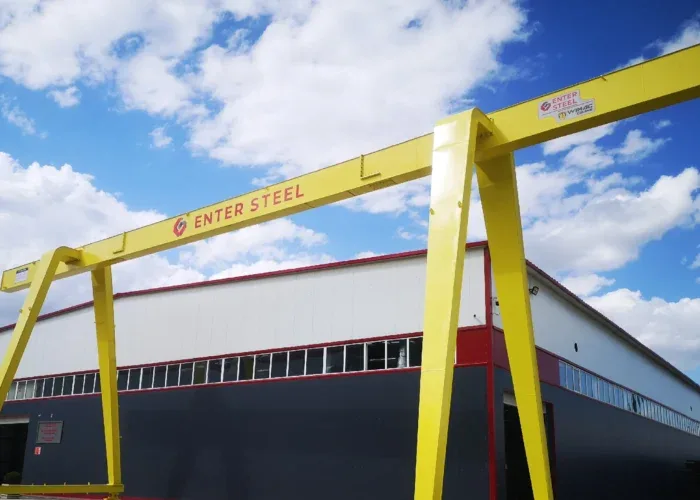
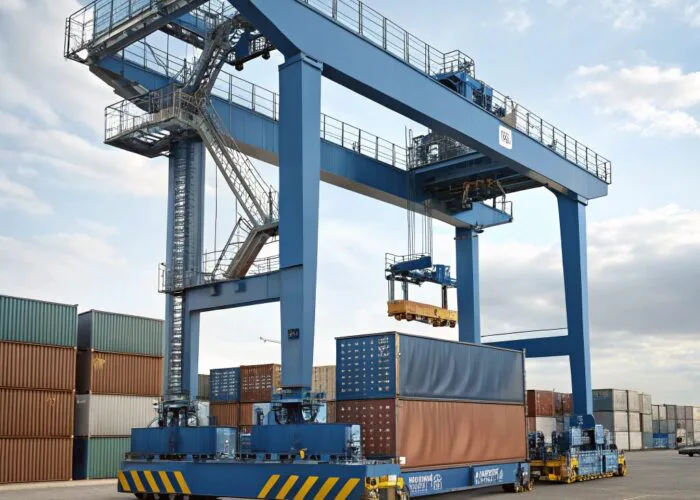
Full-portal and semi-portal gantry cranes that carry their own legs, suited to open yards and high-capacity handling where no building structure exists.
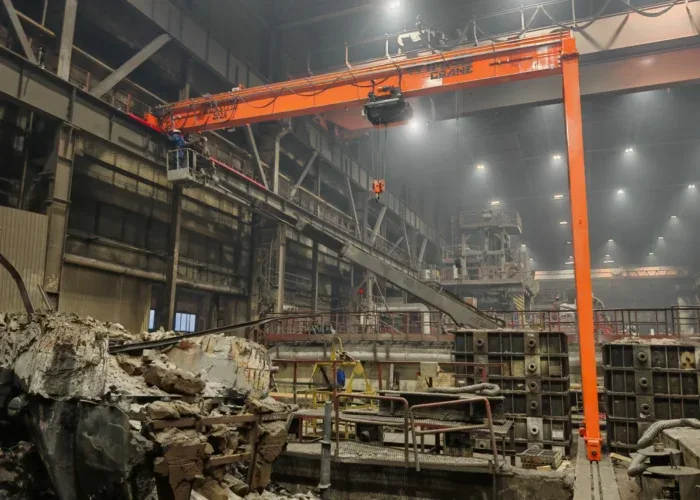
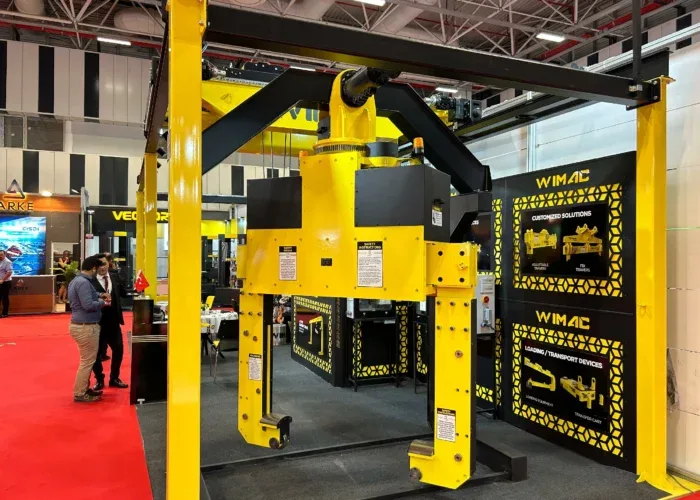
Heavy-duty cranes engineered around one demanding process — power generation, steelmaking, shipbuilding and hazardous-area work.
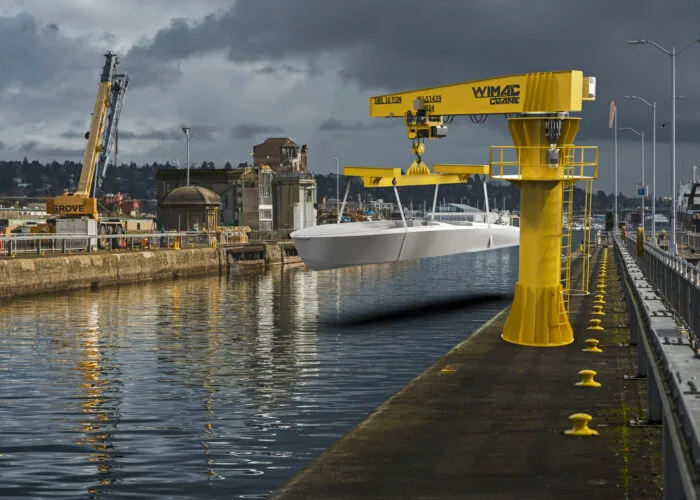
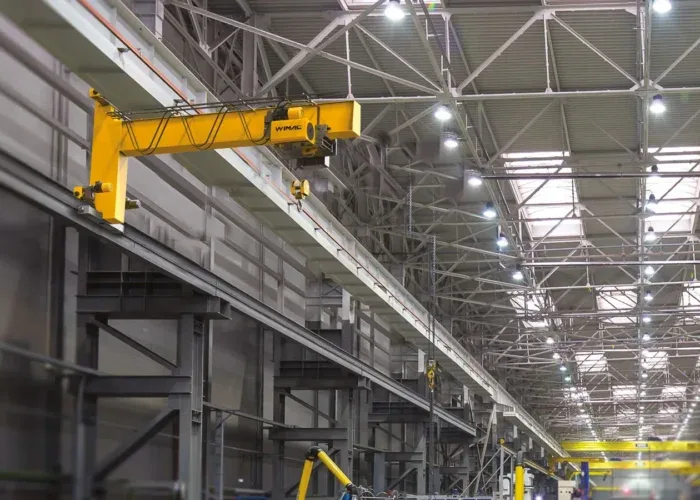
Slewing jib cranes mounted on the floor, a wall or a building column, giving each workstation its own dedicated lifting point.
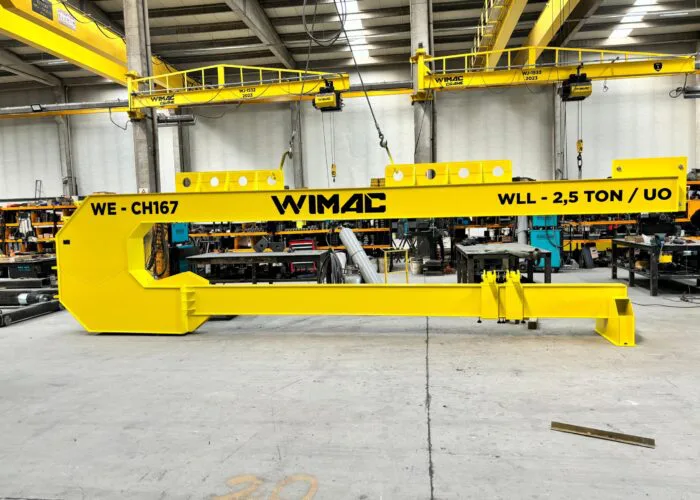
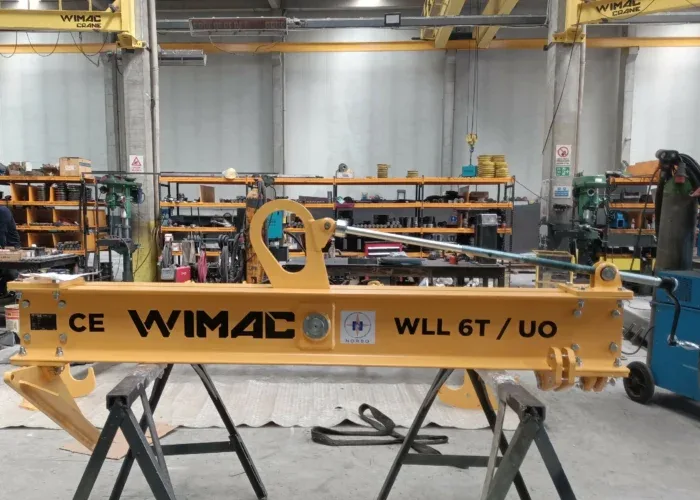
Below-the-hook attachments — C-hooks, tongs, spreaders, upenders and transfer carts — for loads a plain hook cannot handle safely.
Cement works, steel rolling mills, oil and gas fabrication yards, FMCG plants and port operators from Lagos to Port Harcourt all lift different loads. These answers help Nigerian buyers narrow down the right category before asking for a quotation.
Every Wimac crane is designed and fabricated at our factory in Konya, Turkey. The finished equipment is shipped to Nigeria and Wimac supports the installation, commissioning and after-sales service on site.
Indoor production bays and warehouses usually suit an overhead (EOT) bridge crane. Open yards, port terminals and fabrication areas without a building structure call for a gantry or semi-gantry crane. Jib cranes serve single workstations, while process cranes are built for steel mills, power plants and shipyards.
Yes. Our EX-proof range covers ATEX explosion-proof cranes and hoists intended for hazardous zones such as refineries, gas plants and petrochemical facilities, which makes it relevant to the Nigerian oil and gas sector.
Tell us the required capacity, span, lifting height, runway (rail) length, the building heights where relevant, and what the crane will lift. With those figures our engineers can size the crane and prepare a specified offer.