DIN
CE
ISO
FEM
EAC

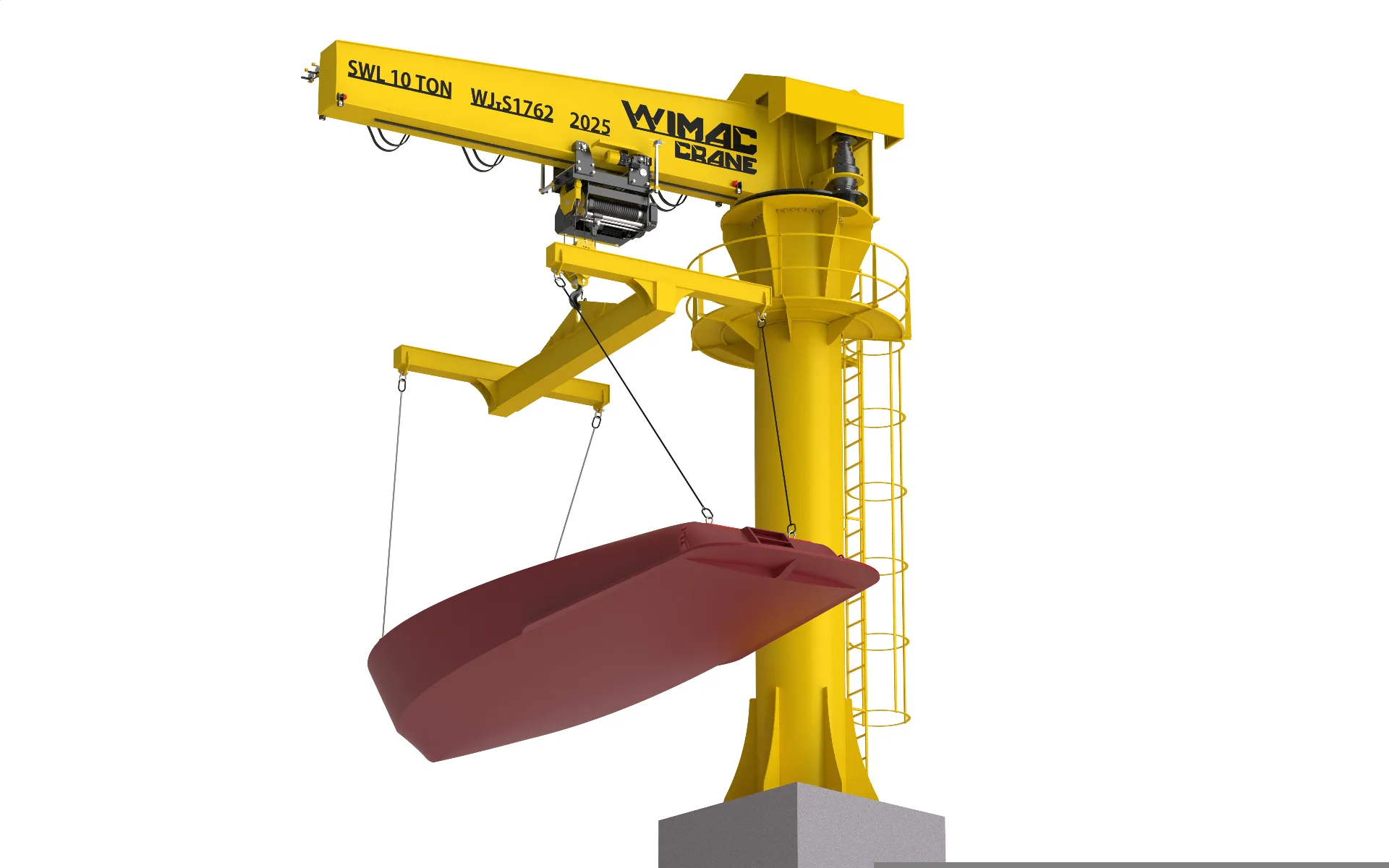
Every Wimac jib crane is built at our plant in Konya, Turkey, then supplied, installed and serviced for Nigerian sites — machine shops in Ikeja, assembly lines in Ota and Agbara, warehouses near Apapa, and maintenance bays at fabrication yards around Port Harcourt and Onne.
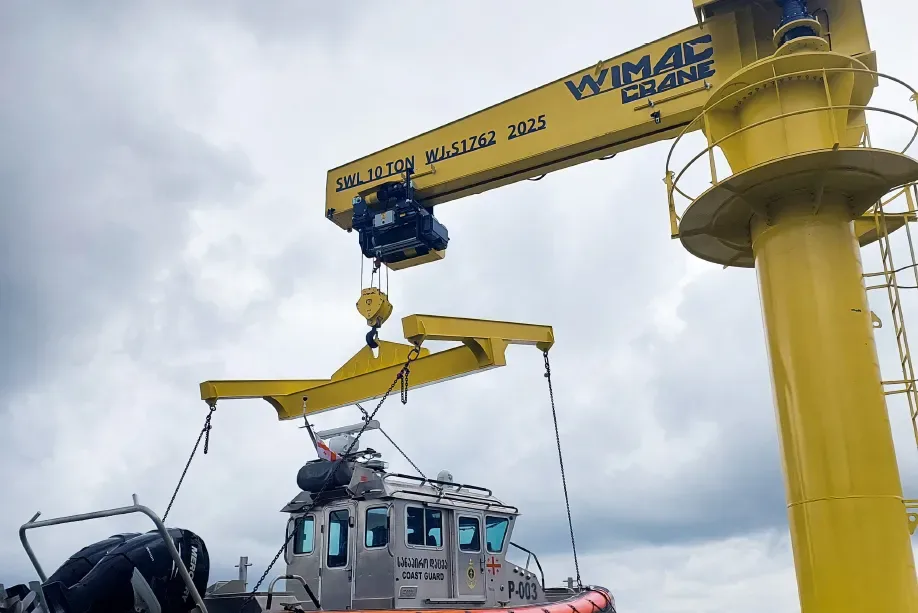
A jib crane is a slewing crane that turns through as much as 360°, either on a dedicated column of its own or fixed to a column that is already part of the building. It gives the operator three motions: the boom rotates, the hook rises and falls, and the trolley travels in and out along the full length of the arm.
Buyers usually pick a jib crane for lighter, repetitive lifts of up to 6.3 tons — loading and unloading, swapping workpieces on a machine, or taking finished items off a production line. Because it runs on its own, a jib crane keeps working even when overhead and gantry cranes share the same hall, so nobody stands idle waiting for the main crane and no energy is wasted moving a big crane for a small job.
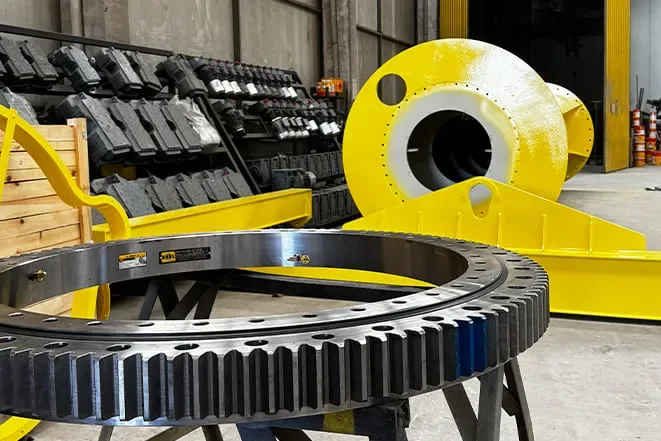

A jib crane needs far less floor and building space than other crane types, and because it is produced in series it stays an economical choice. The lifting unit can be electric, or air-powered for vacuum handling systems. Slewing can run through the full 360° or be limited to any smaller angle you specify.
Not sure which configuration fits? Our technical department will review your building structure, the location of the crane and the way it will be used, then recommend the most suitable option for your Nigerian facility.
The hook can reach any point around the column, so the whole work circle is covered.
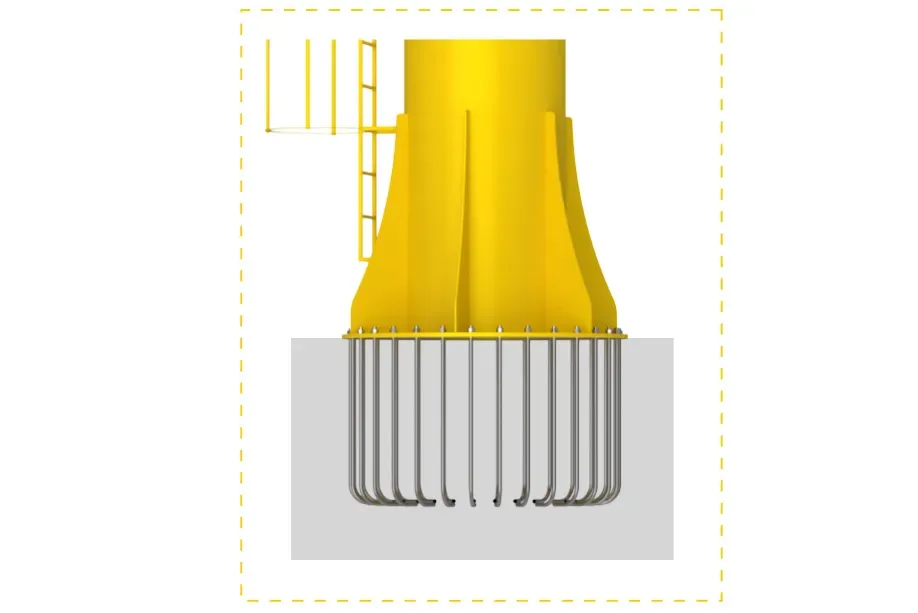
Stands on its own foundation, so the building does not have to carry the crane.
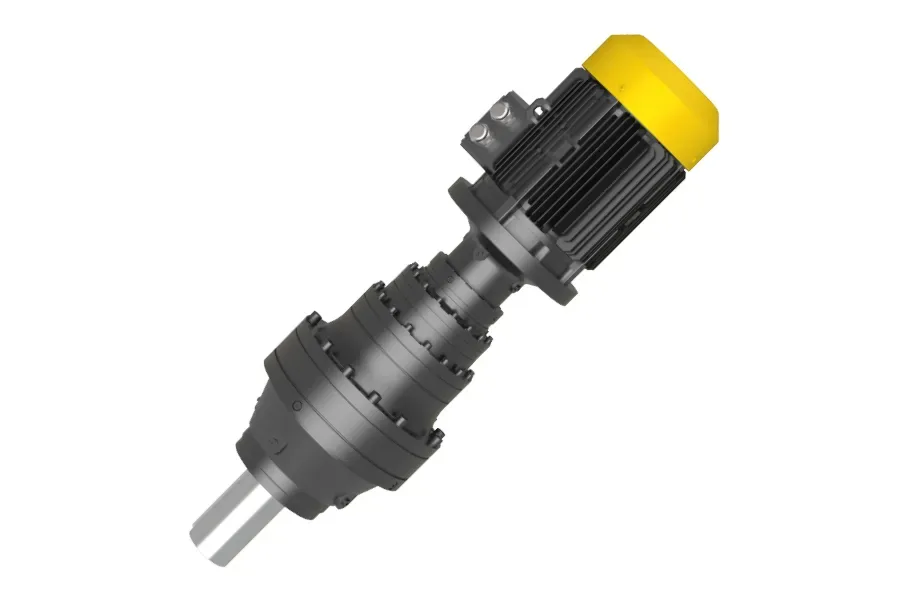



Jib cranes suit almost any Nigerian operation that repeats the same lift many times a shift: CNC and machine shops, cement and steel plant maintenance bays, FMCG and food & beverage packing lines, power station workshops, warehouses and oil & gas fabrication yards in the Niger Delta. Below are the questions buyers ask us most.