DIN
CE
ISO
FEM
EAC

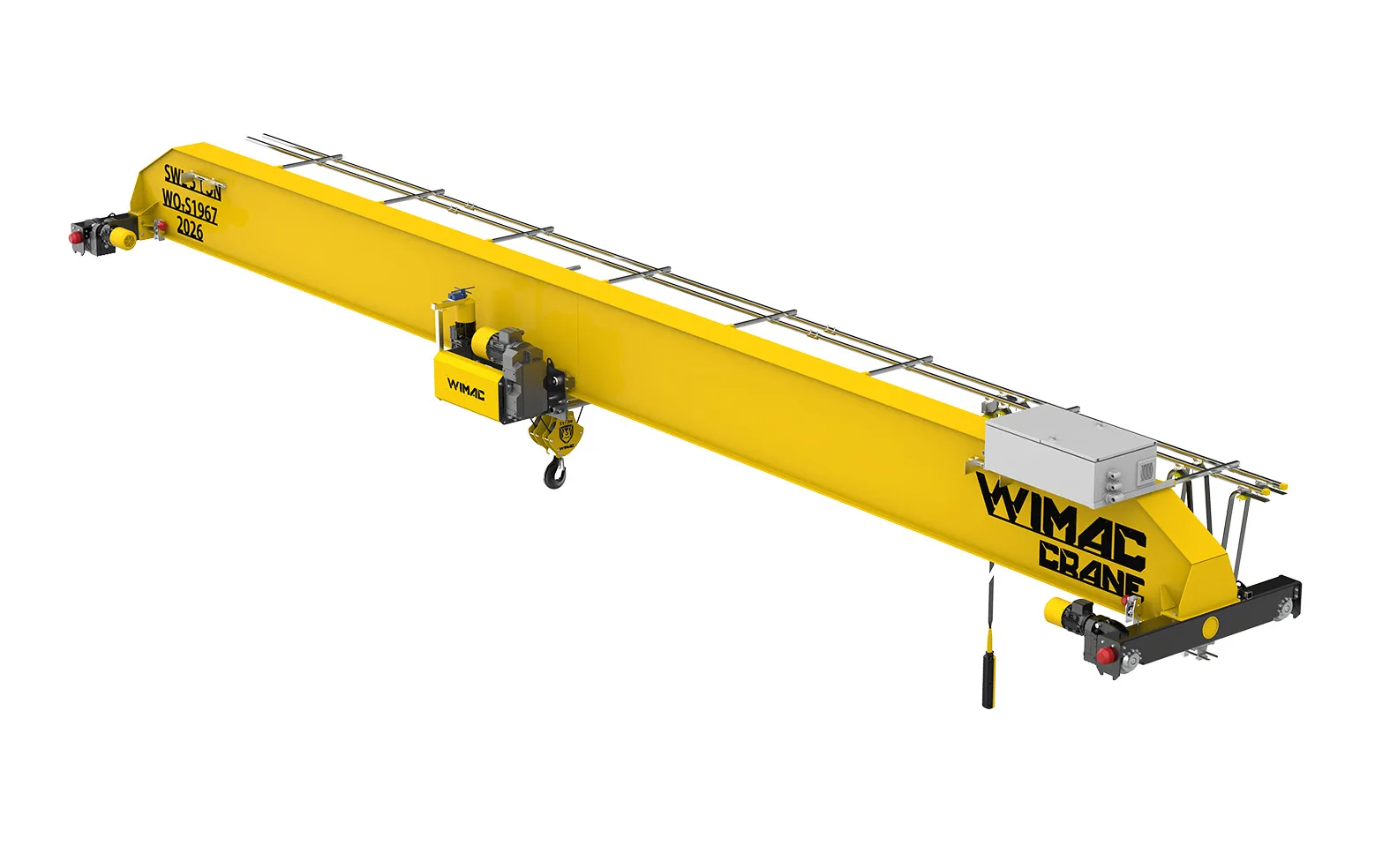
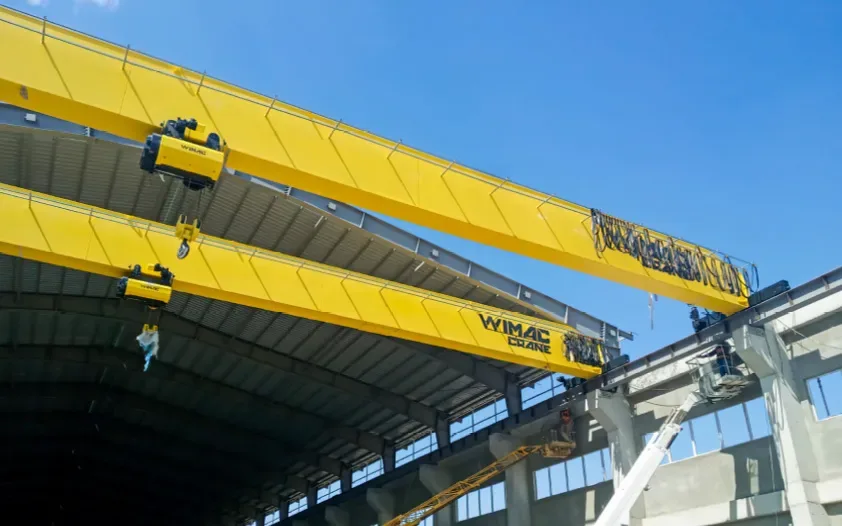
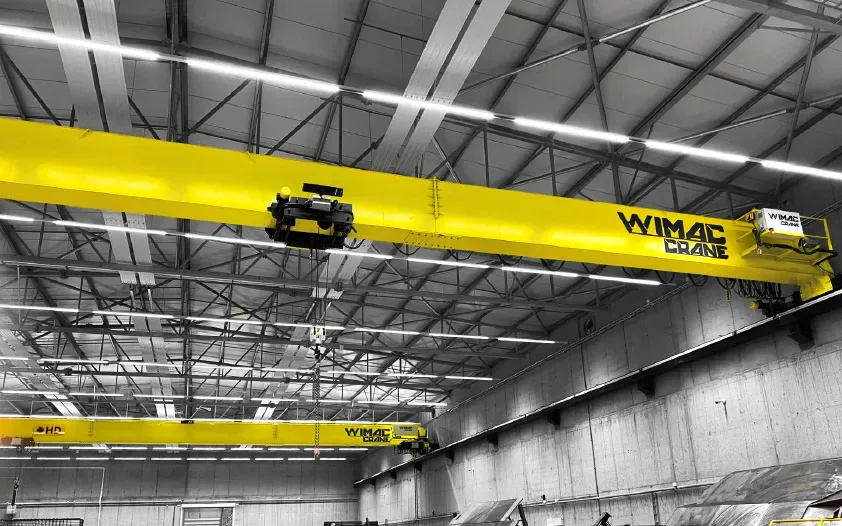
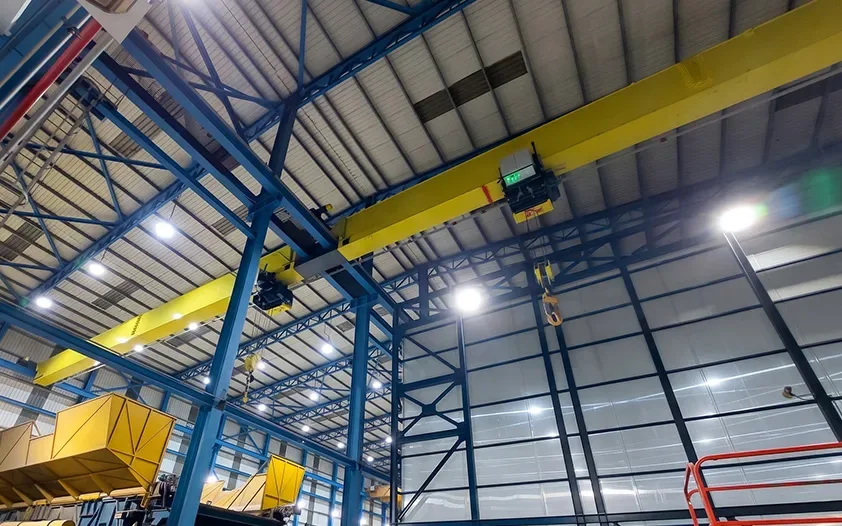
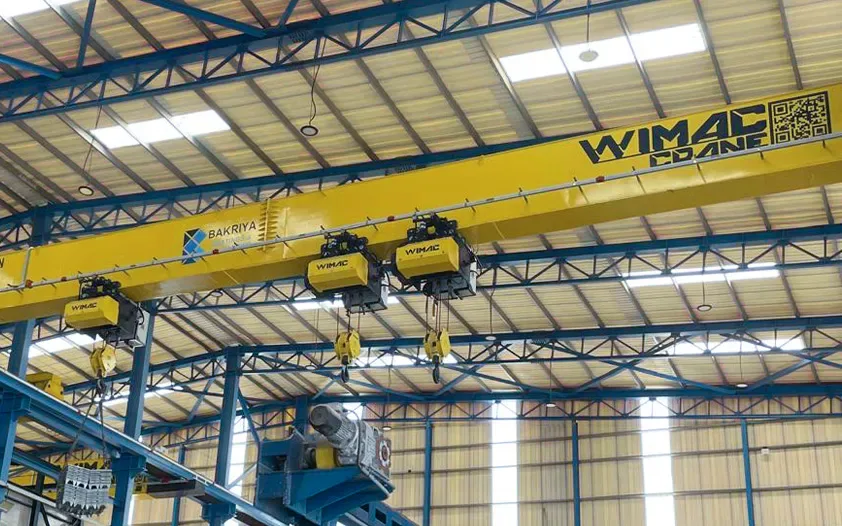
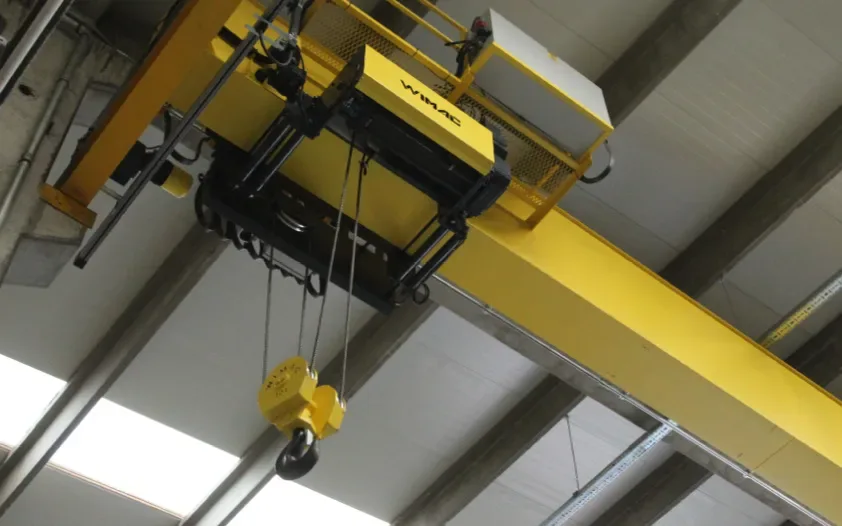
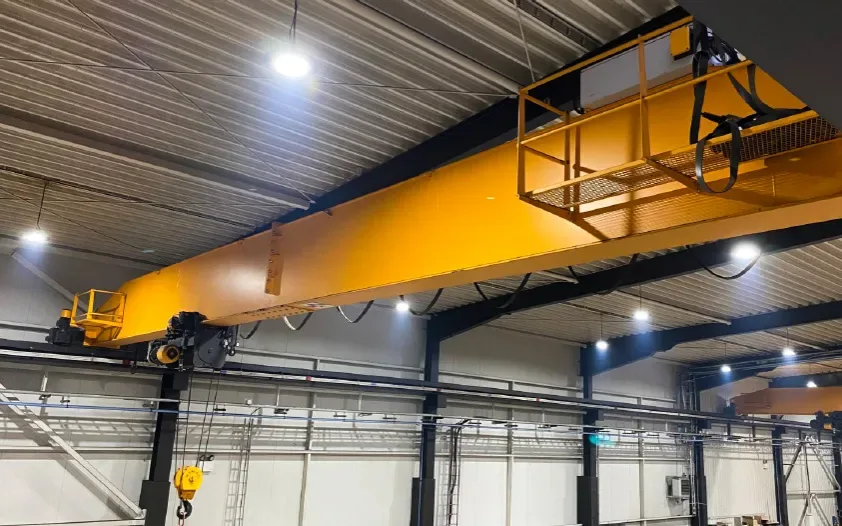
A single girder overhead crane uses one main girder, carried by end carriages on the runway, with the hoist and trolley travelling along that single beam. It is a lighter and more economical alternative to a double girder bridge for everyday lifting. Wimac produces these cranes in Konya, Turkey and supplies them to workshops, warehouses and factories throughout Nigeria. They run quietly, take up little space for what they lift, and move and place loads safely and accurately. The flexible design adapts to a new building or to an existing hall, giving an ergonomic and budget-friendly lifting solution.
Wimac designs and builds its overhead cranes for dependable performance and maximum uptime. From the start of every project, the working class defined by FEM, ISO, DIN and similar norms is one of the main design inputs.
Thanks to the modular construction, installation is quick and simple, so your operation is down for the shortest possible time and the crane is put to work sooner. Service points are easy to access for safe checks and maintenance, and carefully selected, good-quality components keep running costs down.
The bridge can also be fitted with more than one trolley. With the controls, the trolleys can be moved independently or driven together whenever the job requires it.
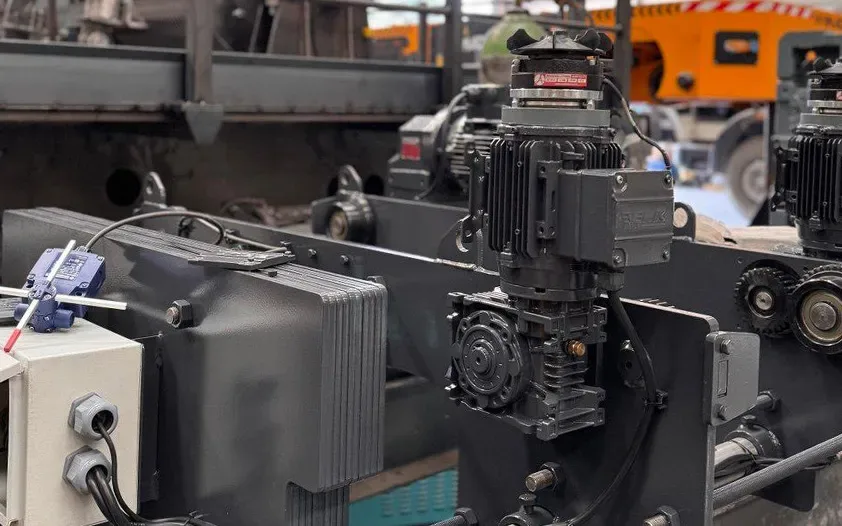
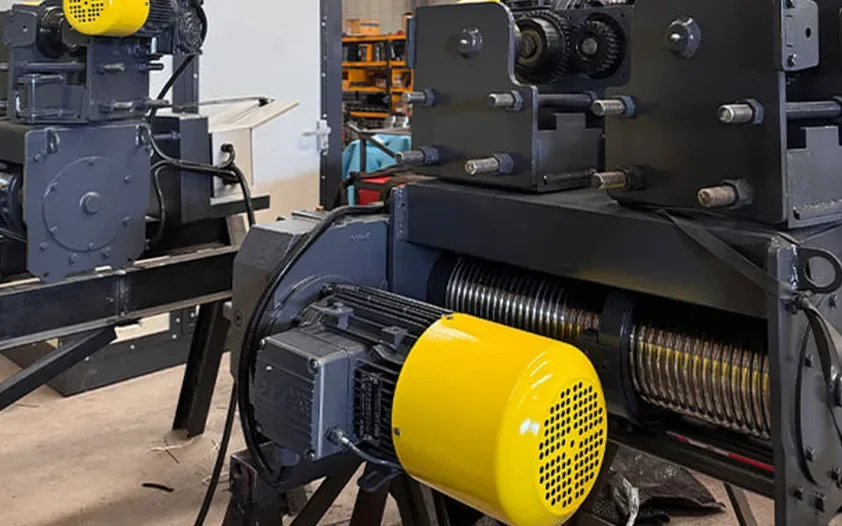
Each Wimac crane is delivered with two control options: a wired pendant and a wireless radio remote. Every control has two-step push buttons, so operators can choose a slow speed for careful positioning or a faster one for travel. Tandem and synchronised movements are possible from the same controls, and extra functions can be added on request.
The electrical panel of the single girder overhead crane is an upgraded design in which each device is chosen to work together with the rest of the system. Panels are carefully assembled to international standards, with a protection class matched to the place of use. The layout is kept simple and every part is clearly labelled to make fault-finding easy.
Speed controllers provide soft starting and stopping. They also allow travel speeds in all directions, braking times and many other settings to be adjusted.
To lengthen the crane's service life in its working environment, special sandblasting, primer and paint systems can be applied. On request, the crane can also be painted in your corporate colours.
Extras such as an operator cabin, container-handling attachments, a C-type hook and floodlights are available across Wimac's overhead crane range, and the cranes can also be manufactured in Ex-Proof (explosion-proof) form.
For many Nigerian businesses, a single girder crane is the most practical first step into overhead lifting. It suits fabrication and machine shops, FMCG and food & beverage plants, warehouses and distribution centres, and assembly lines in industrial areas such as Ikeja, Agbara, Ota and Sagamu, as well as workshops in Abuja, Kano, Kaduna and Port Harcourt. Its lighter structure places less load on the building, which helps when a crane is added to an existing hall.
Inverter-controlled motions give smooth starts and stops, which is a general benefit on sites where power comes from both the grid and standby generators. For oil, gas and petrochemical facilities, ask about the Ex-Proof (explosion-proof) version.
When you request a quotation for delivery to Nigeria, please include the capacity you need, the span between runway rails, the required lifting height, how often the crane will be used, a sketch or drawing of the building, and the voltage and frequency available on site.
Variable frequency drives on every motion give smooth acceleration and precise placement of the load.
Built and manufactured to internationally recognised crane safety standards.
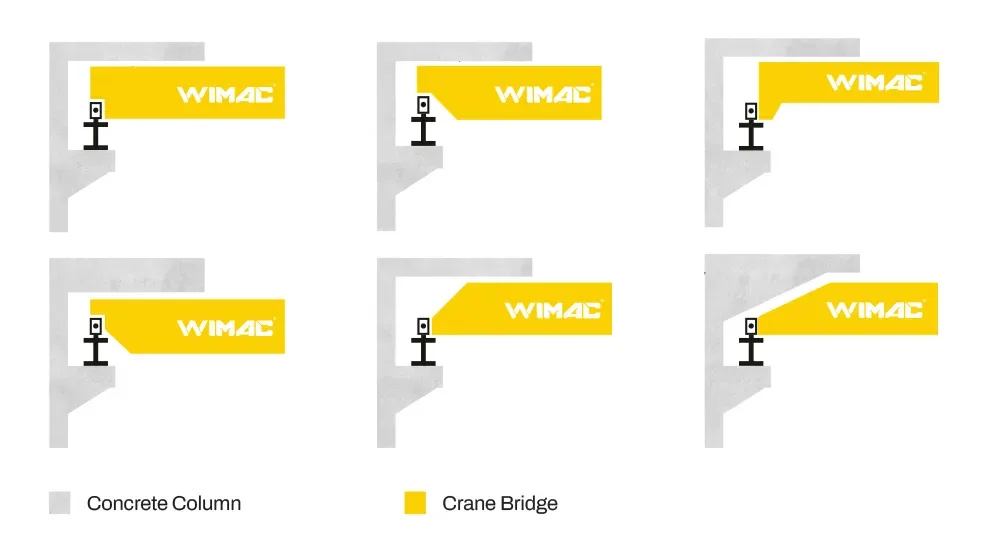
Ways of connecting the main girder to the end carriages, selected to suit the building design and the headroom you have.
Quick answers for Nigerian buyers comparing single girder cranes — capacity, span, duty class, controls and quotation details.