DIN
CE
ISO
FEM
EAC

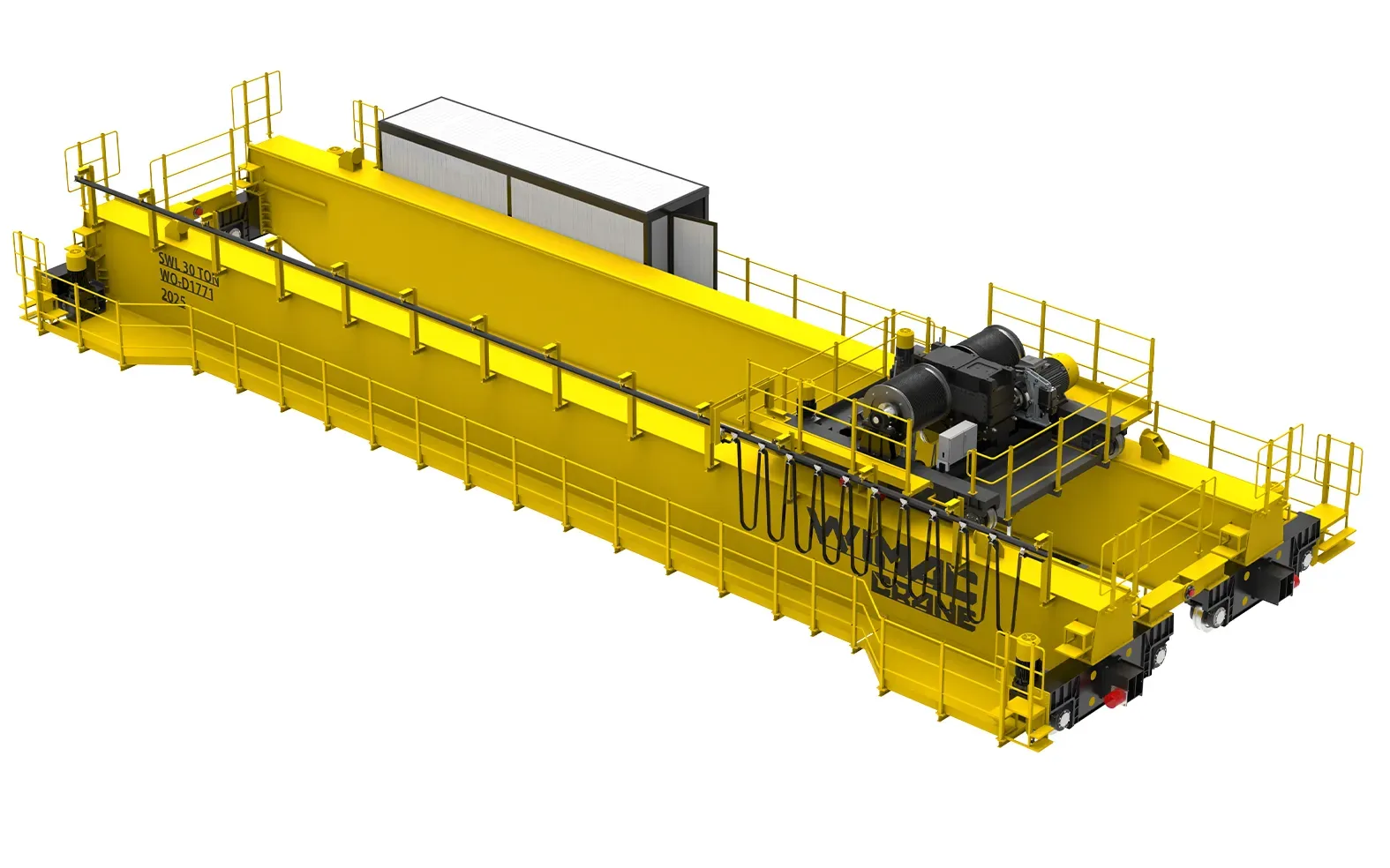
Port and shipyard cranes belong to the process crane family — high-capacity machines rated in demanding FEM duty classes, built for the relentless workloads of heavy industry, steel and energy. Wimac shapes each one around what the customer actually needs to lift, applying careful, proven engineering at every stage. For Nigeria, they suit container terminals, dry docks, ship repair yards and marine fabrication sites along the coast, where humid, salt-laden air and round-the-clock duty set the design conditions.
Nigeria's seaborne trade runs through the Lagos port cluster — Apapa, Tin Can Island and the Lekki Deep Sea Port — and through Onne in Rivers State, which also anchors much of the country's oil and gas logistics. Around these ports sit shipyards, boatyards and Niger Delta fabrication yards that assemble modules, pipe spools and vessels. All of them need heavy lifting equipment that keeps working in an aggressive marine climate.
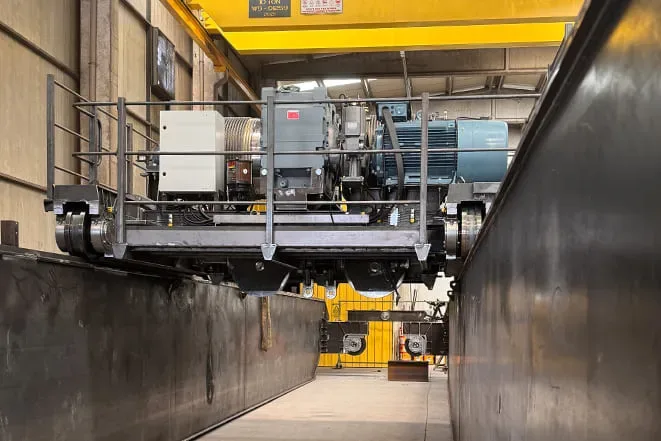
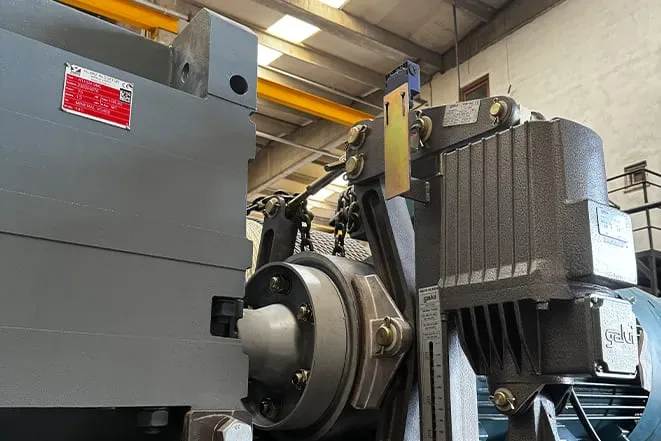
Research and development has driven Wimac Crane since the company was established, with steady investment in better overhead and gantry crane technology. Production follows TSE and CE certificate norms, so marine and port customers in Nigeria receive cranes built to a recognised quality standard.
Heat-rated components and protective measures for areas where working temperatures climb.
Multiple fallback systems keep the crane safe to run, including when molten material is on the hook.
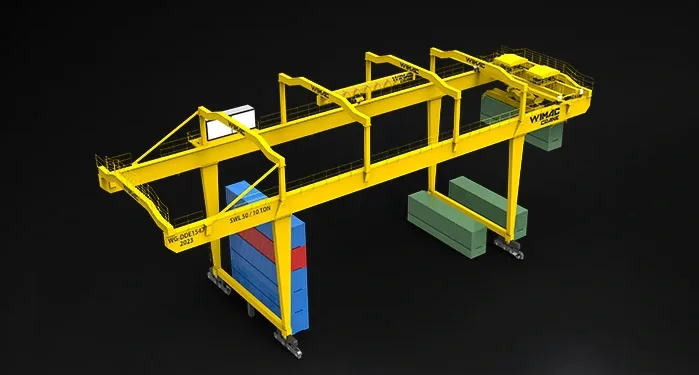
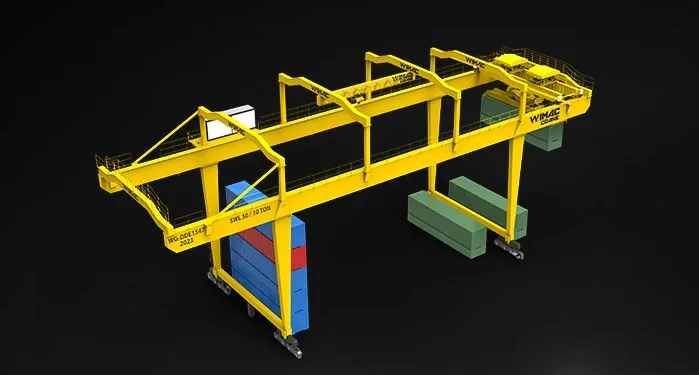
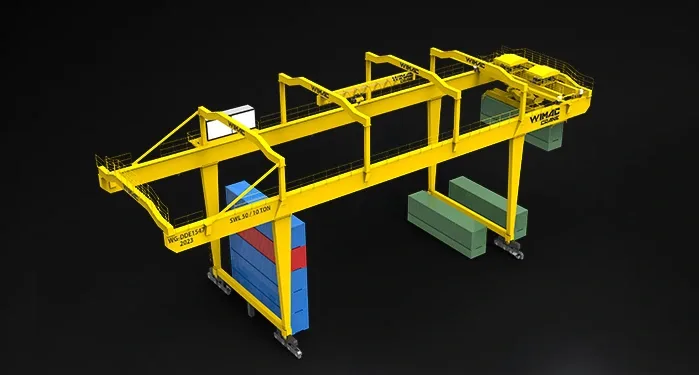
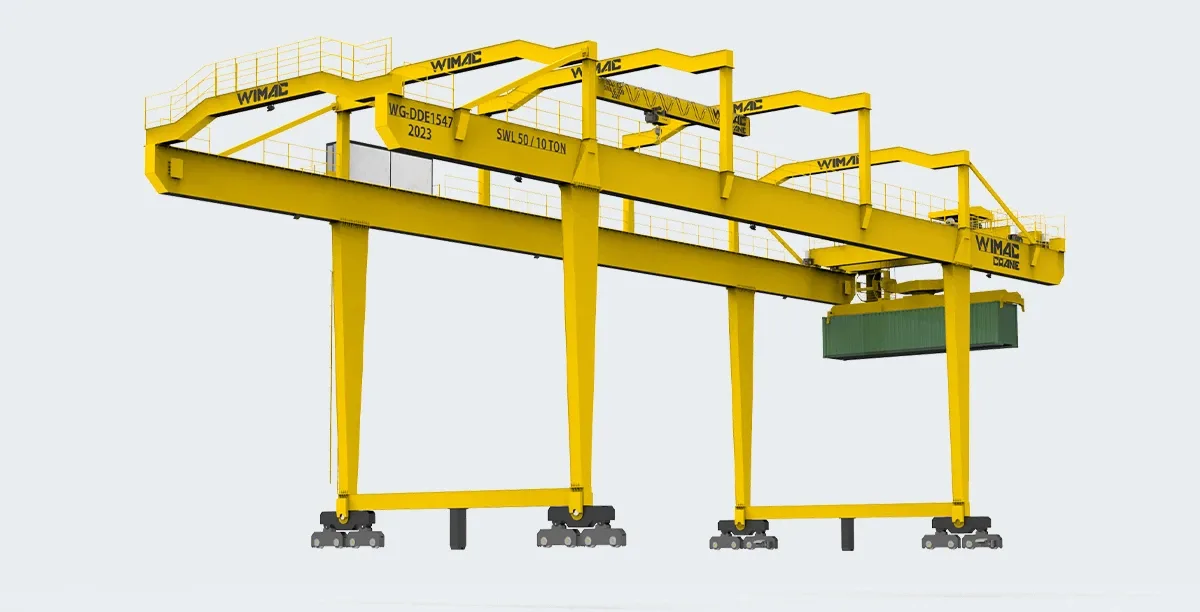
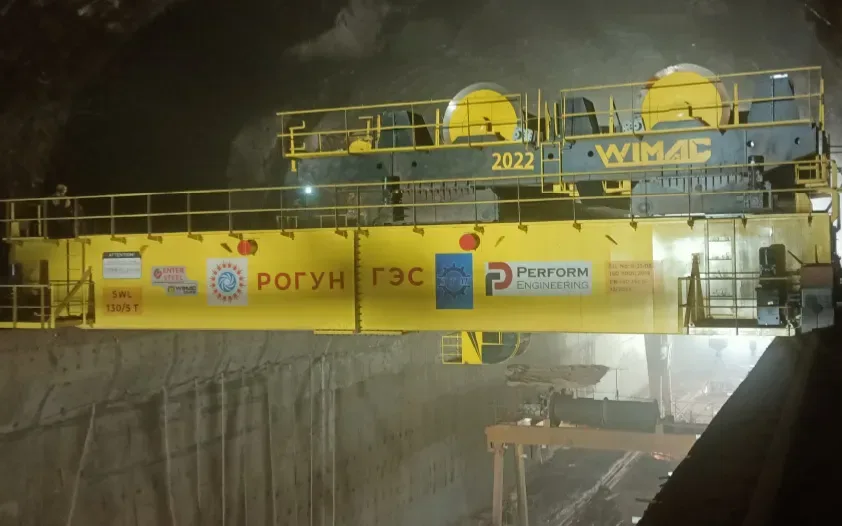
From the Lagos terminals to the Niger Delta, marine and port operators need lifting equipment that tolerates salt air, heat and continuous use.
Gantry and overhead cranes for assembling hull blocks, turning ship sections and lifting engines and outfitting items in dry docks and repair yards.
Cranes for container, break-bulk and project cargo handling in terminal workshops, bonded warehouses and logistics yards around Apapa, Tin Can Island and Lekki.
Heavy-lift cranes for module, pipe-spool and pressure-vessel fabrication in the Onne, Port Harcourt and Warri yards that serve the offshore sector.
Workshop cranes for overhauling engines, propellers, winches and deck machinery for tugs, supply vessels and harbour craft.
Specified for the marine climate. Coastal Nigeria combines high humidity, salt-laden air and heavy rainfall. Wimac designs port and shipyard cranes for harsh environmental conditions and continuous duty, with VFD control on hoisting, cross travel and long travel for smooth, precise placement of heavy and valuable loads.
Made in Turkey, delivered to Nigeria. Each crane is engineered and built at the Wimac factory in Konya, then supplied, installed and serviced for port operators, shipyards, fabricators and EPC contractors across Lagos, Rivers and Delta States and the rest of Nigeria.
Quick answers for Nigerian port operators, shipyards and fabrication yards considering a Wimac crane.