Steel Mill & Foundry Process Cranes for Nigeria

When the load is a ladle of molten steel or a coil fresh off the rolling line, the crane has to be built for it. Wimac process cranes are designed for steel mills, foundries, metallurgical works and heavy manufacturing — produced in Konya, Turkey and supplied, installed and serviced across Nigeria.

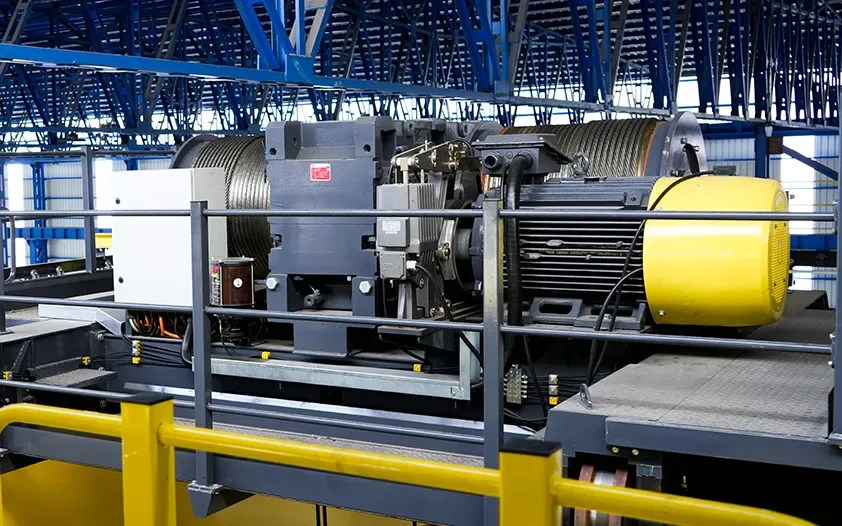
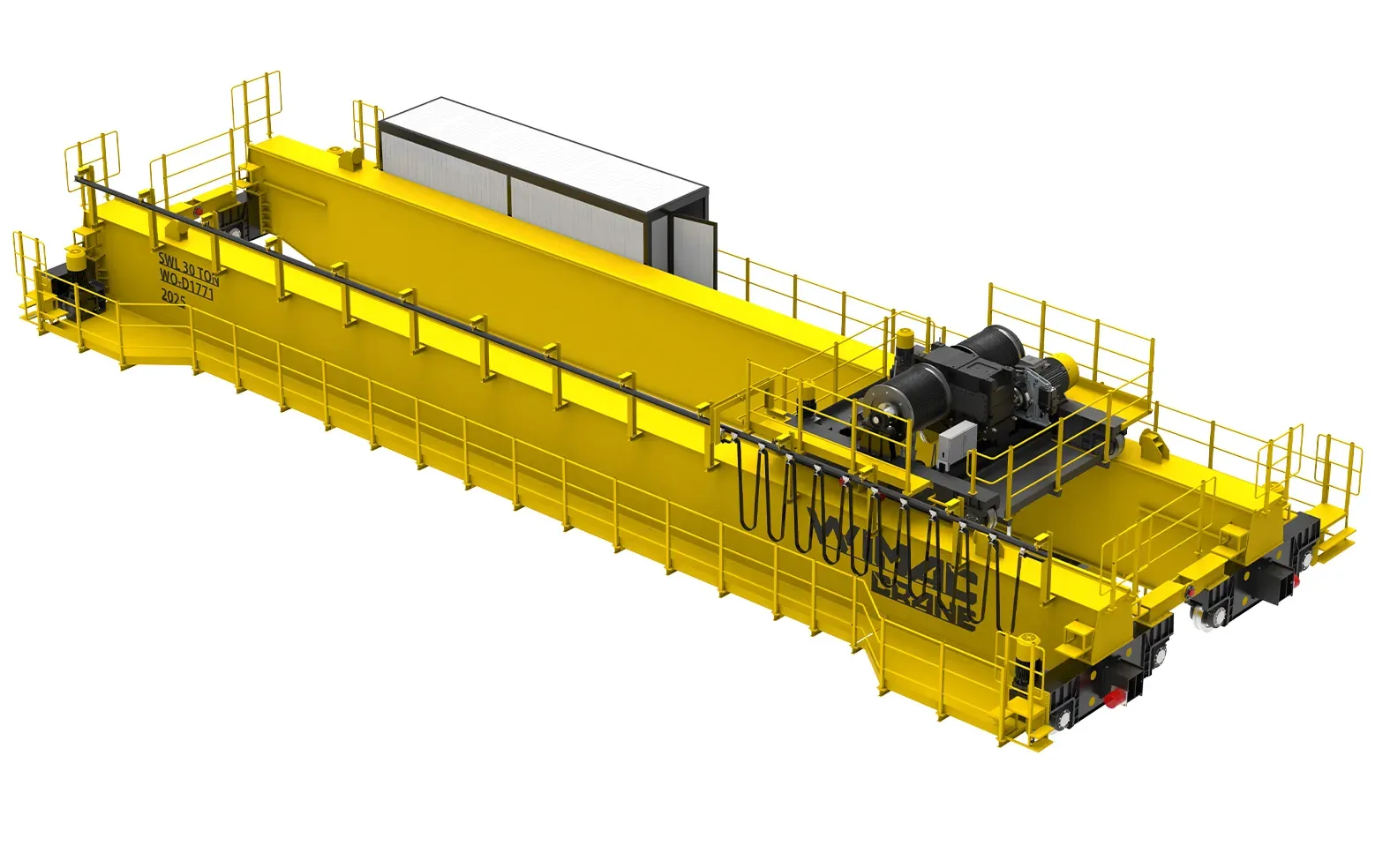
Main Assemblies of a Steel Mill Crane

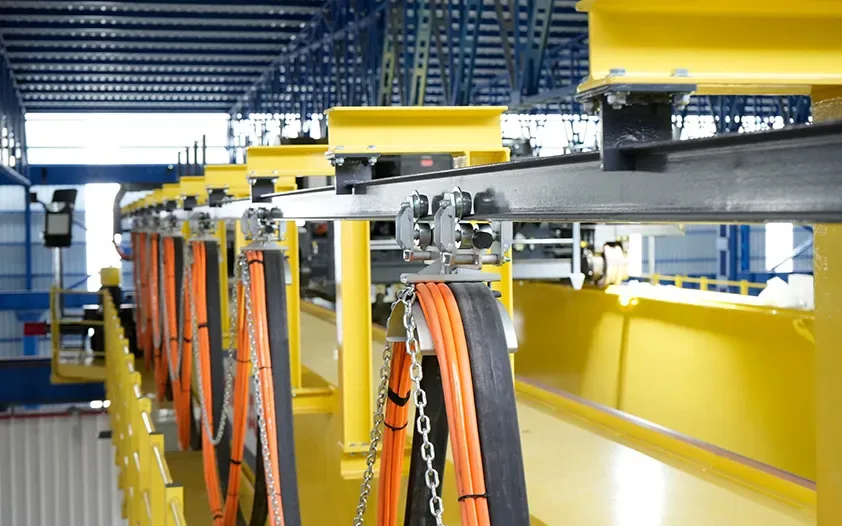
Labelled Wimac steel mill crane showing hoist, end carriage, cabin, hook block and festoon, for Nigerian steelworks
01
The Basics Steel Mill Cranes

Steel Mill Process Cranes for Nigerian Plants

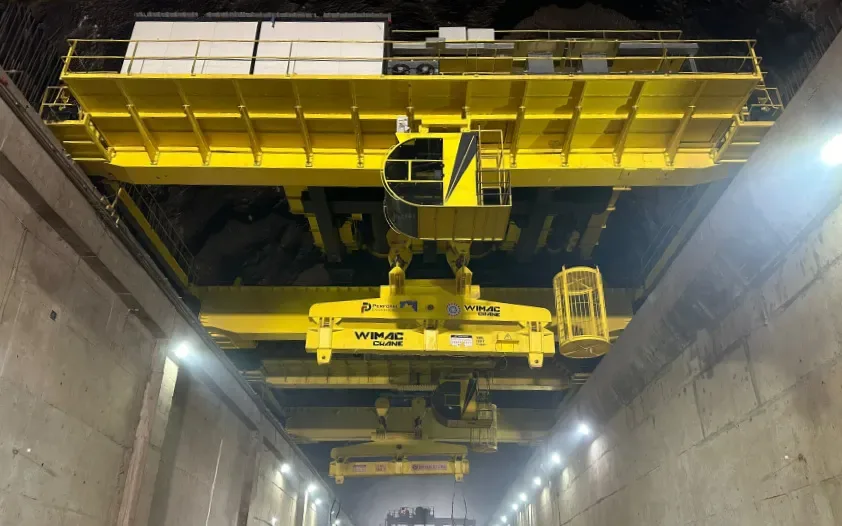
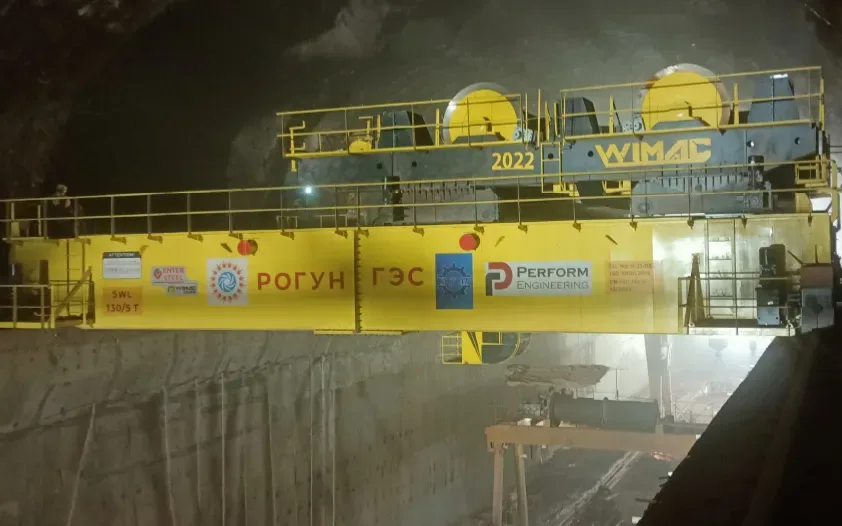
A process crane is a high-capacity, high-duty crane rated to FEM classes and built for the heavy, continuous work found in iron and steel plants, heavy industry and the energy sector. Each one is engineered around the customer’s own process using advanced design methods, rather than adapted from a standard catalogue crane.

We manufacture these cranes in Konya, Turkey and supply them to Nigerian steel rolling mills, foundries and heavy manufacturing plants — from the industrial estates of Lagos and Ogun State to Kaduna, Kano and the fabrication and power facilities of the Niger Delta.
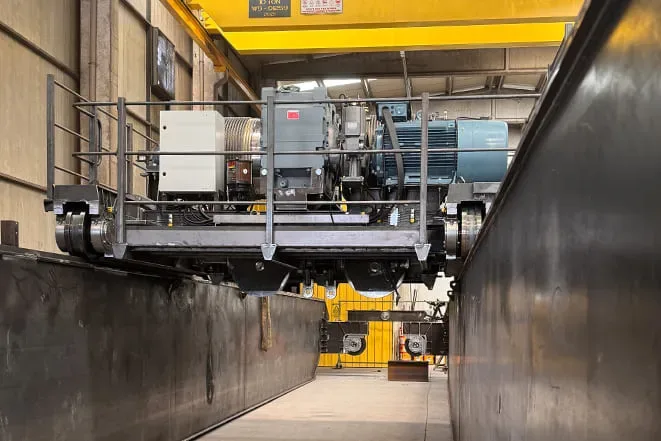
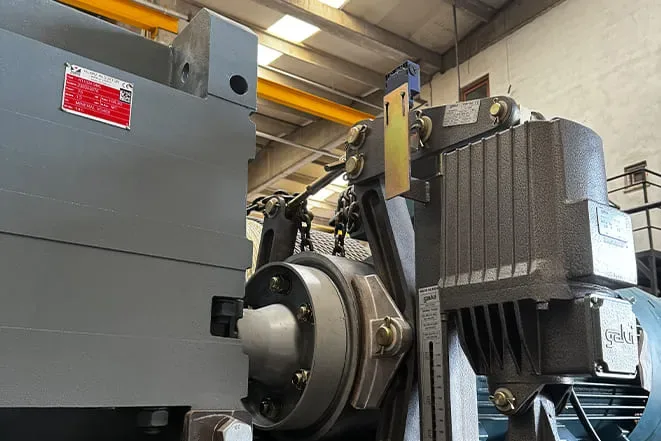
From the day it was founded, Wimac Crane has put its resources into research and development to move overhead and gantry crane technology forward. Every crane we deliver is produced in line with TSE and CE certificate norms, so you get the same standard of engineering whether your plant is in Turkey or Nigeria.

For a steel mill quotation, tell us the heaviest load, the span and lifting height, the duty your process demands, the temperature conditions in the bay and whether you need a cabin, radio control or a dual hoist. Our engineers will size the crane around that information.

Built for Hot Bays

Purpose-selected components and thermal shielding keep the crane working where temperatures run high.

Back-Up Safety Layers

Several independent back-up systems protect people and plant when molten material is on the hook.
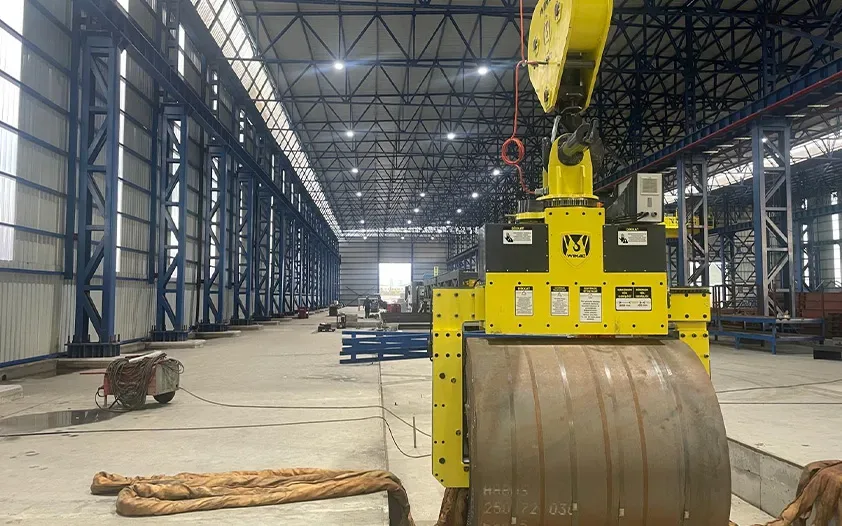
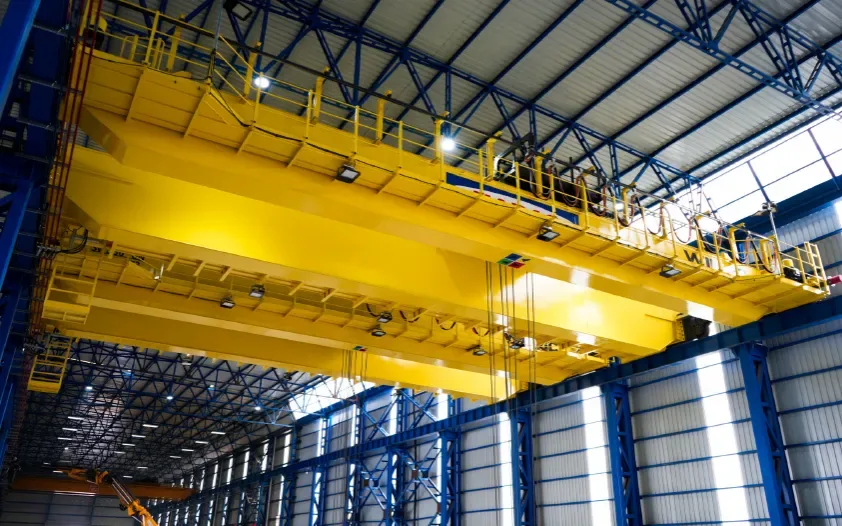
Steel Mill Cranes for Nigerian Industry

Nigeria’s steel rolling mills, foundries and heavy fabrication works run cranes harder than almost any other sector — long shifts, heavy loads and hot, dusty bays. Here are straight answers to the questions plant engineers ask us before they specify a process crane.

What capacities and duty classes do Wimac steel mill cranes cover?
Our steel mill and process cranes are built for safe working loads from 10 t to 500 t, in duty classes FEM 3m - 5m / ISO M6 - M8. Spans range from 10 to 40 m and lifting heights from 10 to 35 m, which can be extended.
Can the cranes work above molten metal and in hot bays?
Yes. They use specialised components and thermal protection for high-temperature areas, together with redundant safety systems so that operation stays safe when handling molten material in ladle and foundry service.
What drives and speeds are used?
All motions are driven by variable frequency drives (VFD): long travel 20–100 m/min, cross travel 10–50 m/min and hoisting 1–15 m/min. The crane can be fitted with a wire rope hoist or a dual hoist arrangement.
Which Nigerian industries use these cranes?
Steel rolling mills, foundries, metallurgical plants, heavy fabrication and manufacturing works, and energy and power generation sites all use high-duty process cranes of this type.
Are the cranes made in Nigeria?
No. Wimac designs and manufactures its process cranes in Konya, Turkey, in line with TSE and CE certificate norms, and supplies, installs and services them for steel and heavy-industry plants across Nigeria.