DIN
CE
ISO
FEM
EAC

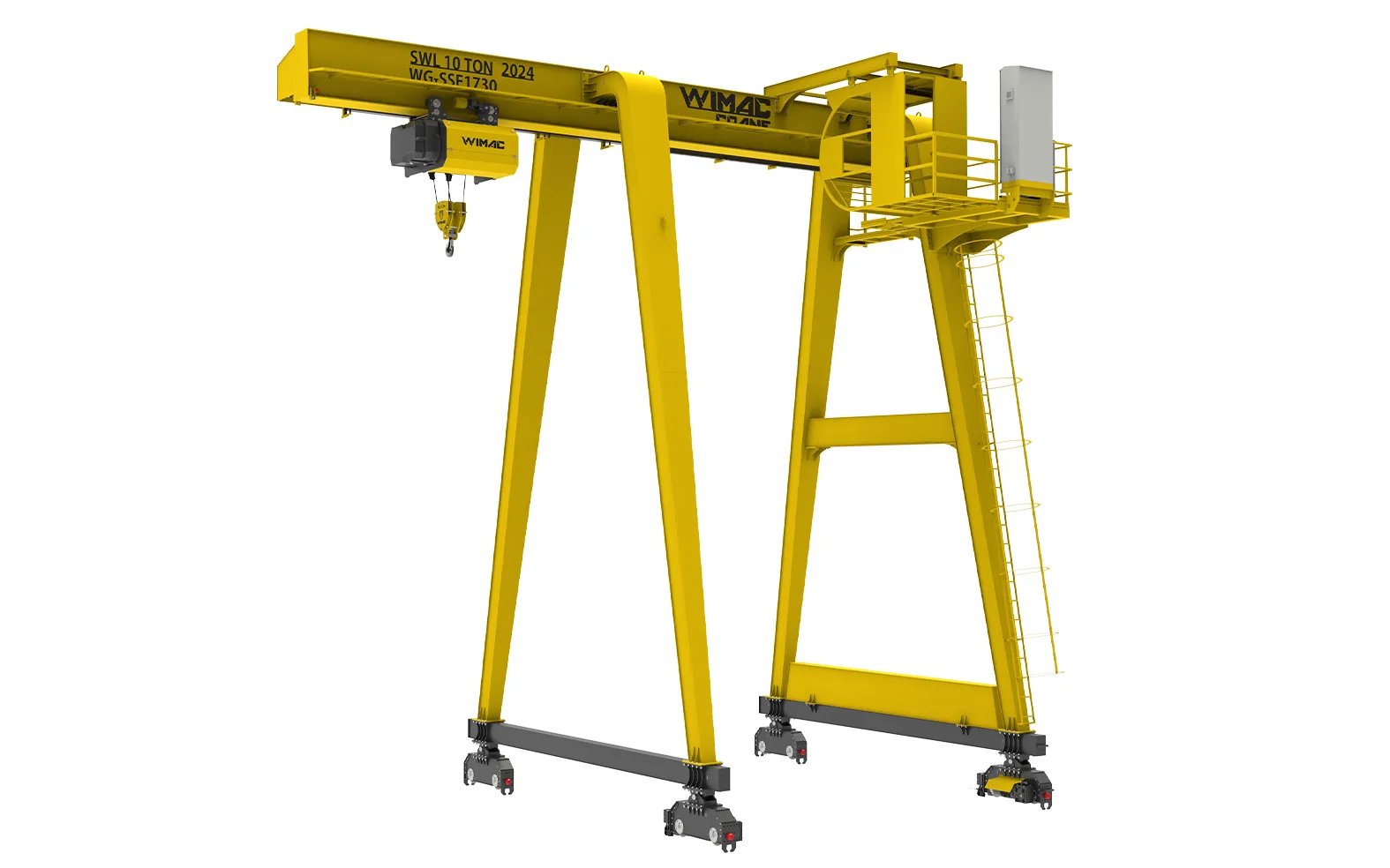
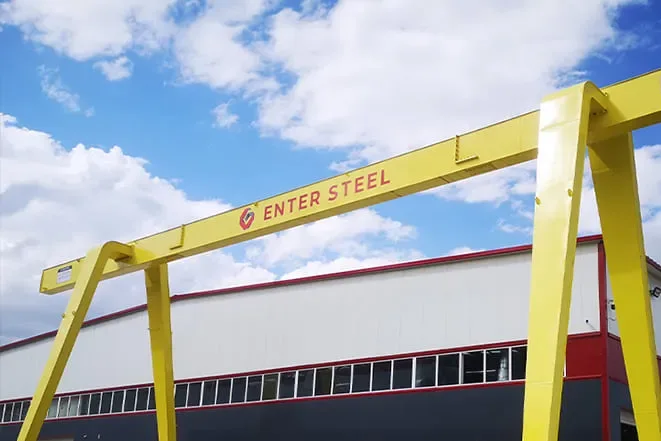
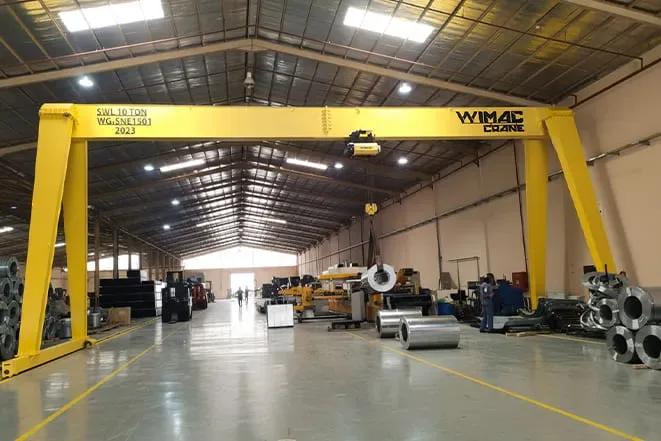
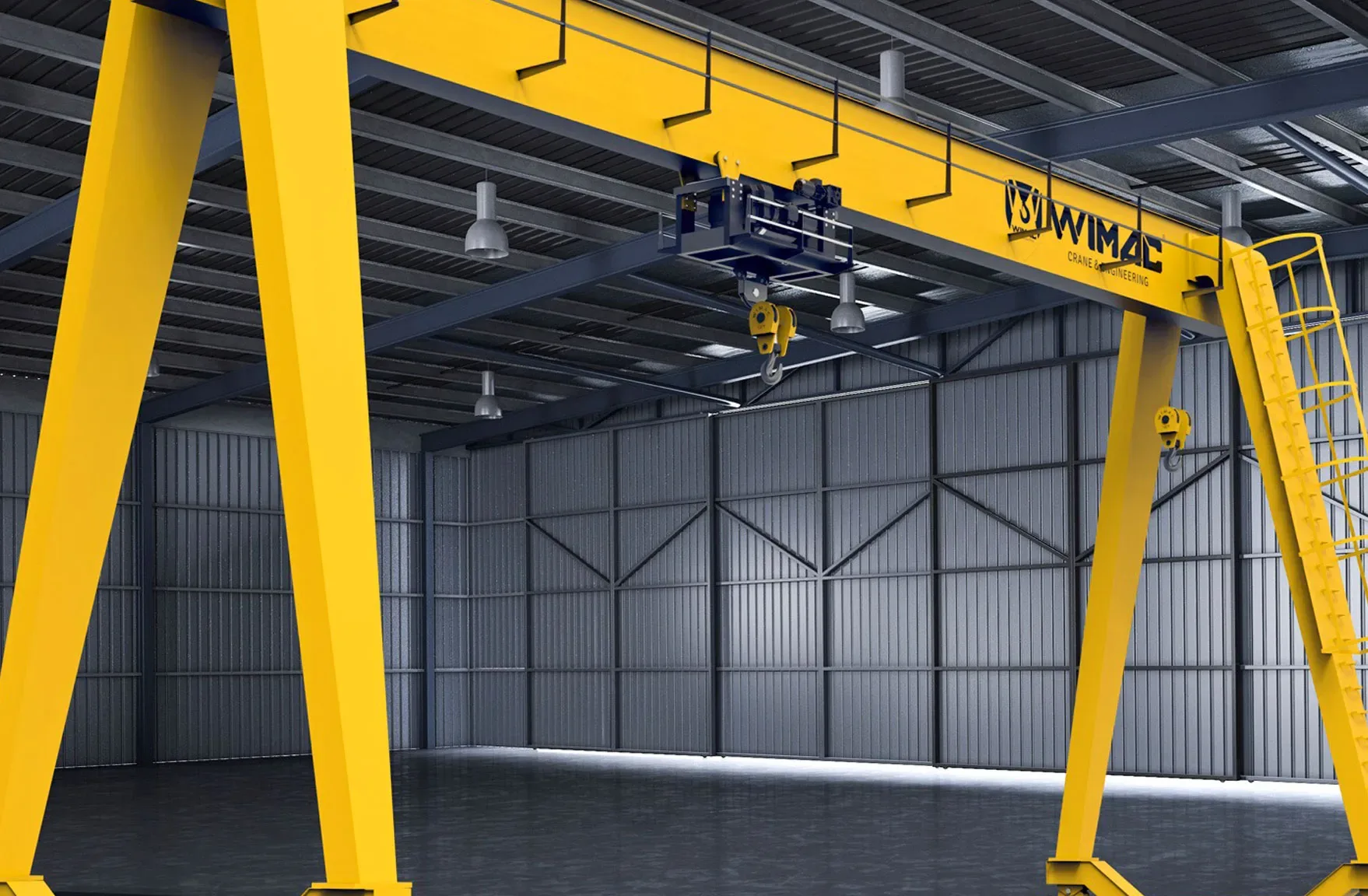
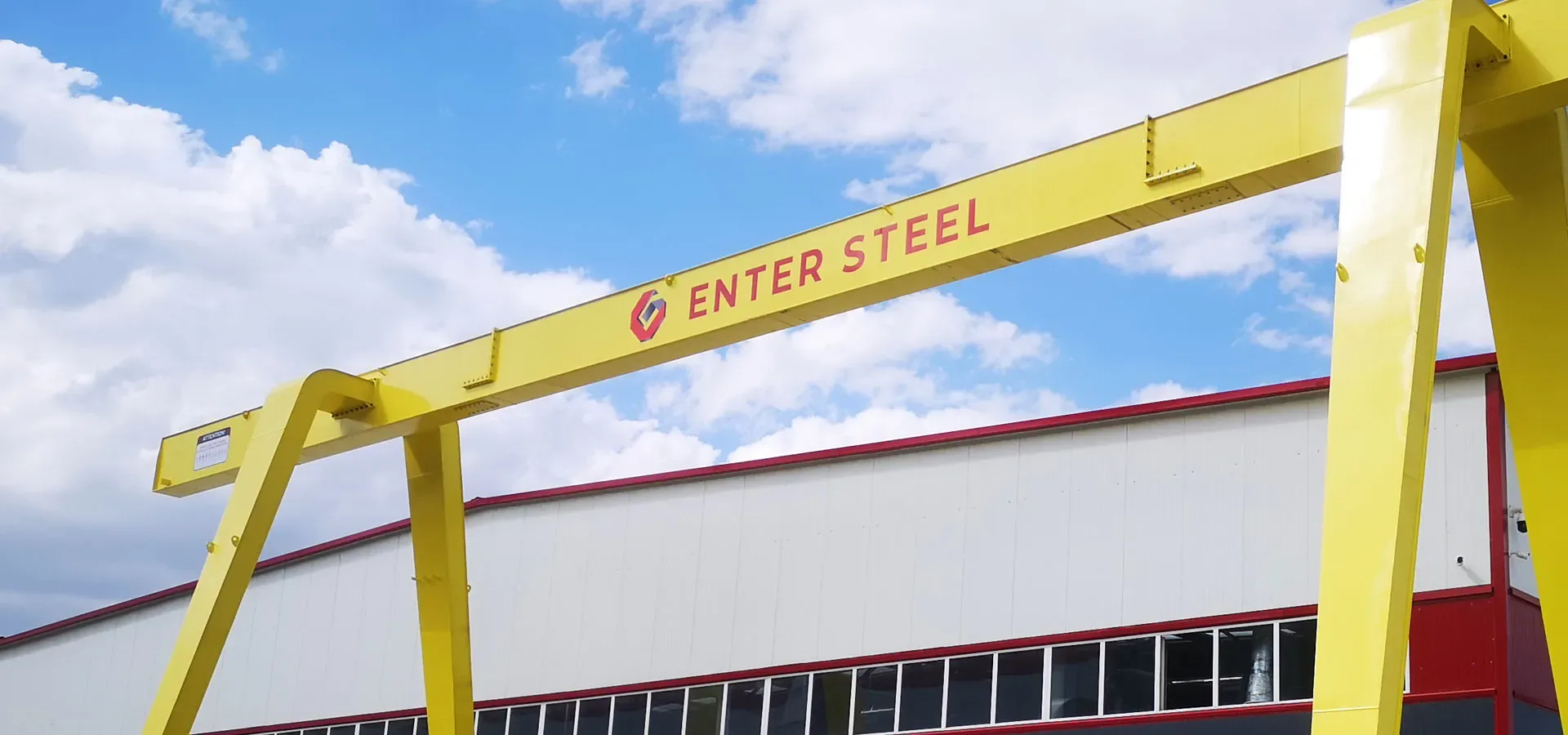
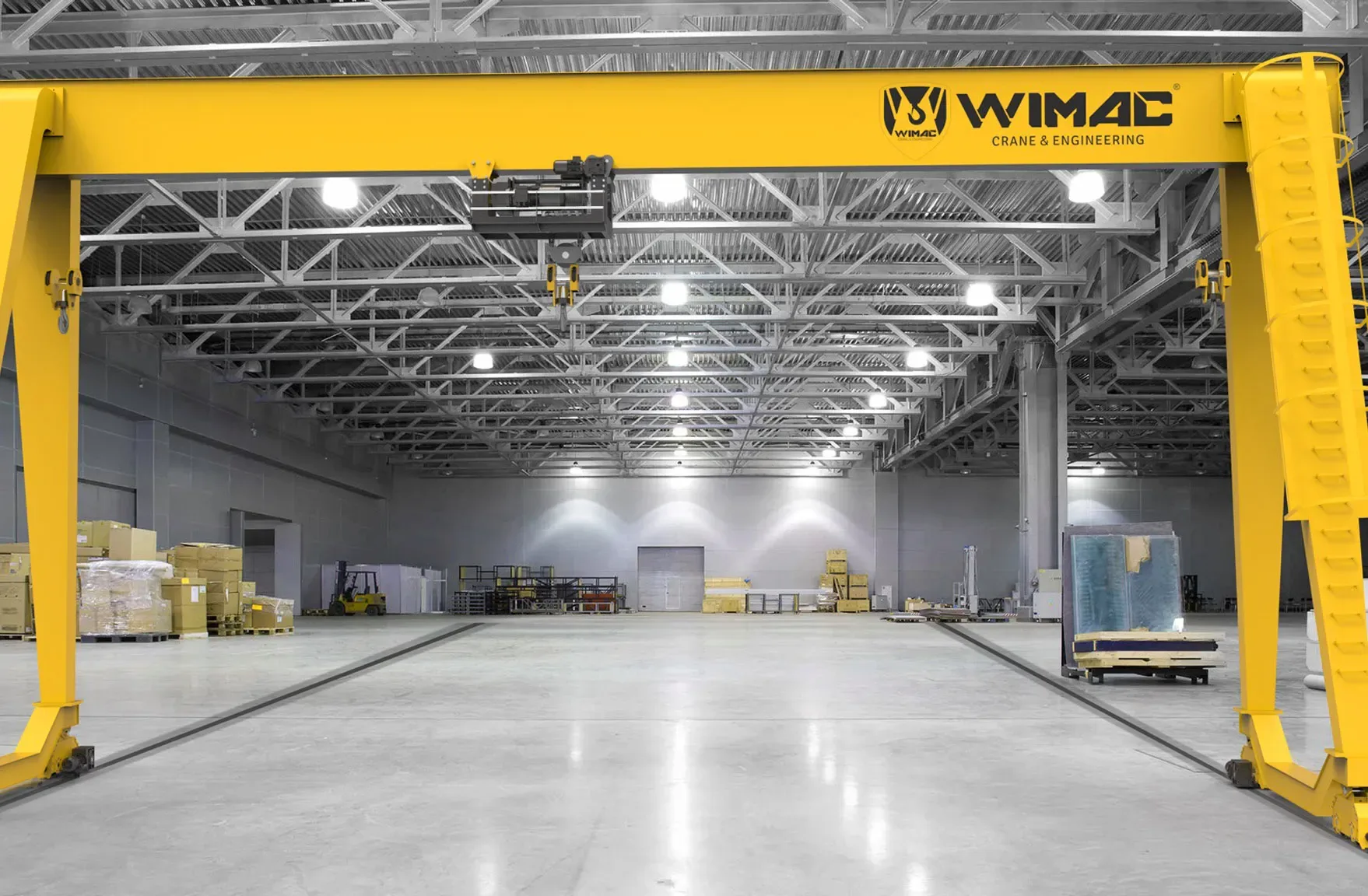
A single girder gantry crane uses one bridge beam, carried on two legs that travel along rails laid on the floor or yard surface, with the hoist trolley running along that girder. Sometimes called a portal or goliath crane, it suits covered workshops and open-air yards equally well. Wimac builds every unit in its own factory in Konya, Turkey, and supplies buyers throughout Nigeria, from manufacturing estates in Lagos and Ogun State to sites in Abuja and Port Harcourt.
The crane is quick to put up and easy for operators to learn. It runs quietly, takes up little room for the work it does, and lifts and places loads safely and precisely. Its adaptable design makes it an ergonomic and economical option both for a planned new facility and for a working site that needs extra lifting capacity without building alterations.
Wimac Crane designs its gantry cranes for strong operating performance and the highest possible availability. Structural and mechanical design follows established crane standards — FEM, ISO, DIN and related norms — and those rules shape every key engineering decision.
A modular build means fast, uncomplicated installation, so your operation is not held up for long and the crane goes into service soon after delivery. Components that need inspection are easy to get to, keeping maintenance safe, and the use of well-chosen, quality parts keeps upkeep costs low.
Gantry cranes are offered with a cantilever on one side, cantilevers on both sides, or no cantilever at all. A variant with one end supported on a building beam and the other on a leg running at ground level is known as a semi-gantry crane. Where the workflow needs it, more than one trolley can also be arranged on the crane.
Whatever the model, a Wimac Crane is delivered with two control options: a wired pendant and a wireless radio remote. Buttons on both have two steps, so the operator can creep the load into position slowly or move it quickly over longer distances. Tandem and synchronised operation can be set up through the same controls, and additional functions can be added if you need them.
The portal crane’s electrical panel is a refined design whose components are chosen to work together as one system. It is built carefully to international standards, with a protection class matched to the working environment. Wiring is laid out simply and every item is labelled, which makes fault-finding and routine checks easier.
Speed controllers let the crane start and stop smoothly, and they allow travel speeds in each direction, braking times and many other settings to be adjusted. To extend service life, the structure can be sandblasted, primed and painted with a system selected for the working conditions, and it can be finished in your company colours if you prefer.
Gantry cranes can also be fitted with an operator’s cabin, container-handling gear or a C-type hook, and they can be manufactured in an Ex-proof (explosion-proof) version for hazardous areas.
Wimac single girder goliath cranes are mainly used in harbours, metro and subway construction, granite and marble processing, steel coil processing and steel coil stockholding, metallurgy plants, and in factories producing cable, steel pipe, plastics, concrete pipe and automotive parts.
Those same needs are found across Nigeria: port and logistics yards around Apapa, Tin Can Island and Lekki Deep Sea Port, steel and pipe stockyards, precast concrete and construction yards, and manufacturing plants in Lagos, Ogun State, Kano and Kaduna. Where loads stay within 20 t, a single girder gantry is usually the most economical way to bring overhead lifting to an outdoor area or a building with no crane runway.
To get an accurate price, send us the load, span, lifting height, runway length, whether the crane works indoors or outdoors, how many hours a day it will run and the power supply available on site. Our engineers will recommend the right configuration and quote for supply and installation in Nigeria.
Less steel and simpler installation keep the up-front investment down.
An uncomplicated design with easy-to-reach parts shortens maintenance time.
What Nigerian buyers most often ask before ordering a single girder gantry crane.